Recognizing the Variety Of Services Offered in Floor Covering: Highlighting Stained Concrete Techniques
Stained concrete has actually emerged as a compelling flooring option for different spaces. Its convenience copyrights on the choice between acid and water-based stains, each offering distinctive looks. Proper prep work and recurring upkeep are necessary to assure its toughness and look. As the need for innovative flooring remedies grows, understanding the nuances of stained concrete techniques can open new opportunities for both domestic and business environments. What one-of-a-kind advantages might this floor covering alternative give a task?
The Basics of Stained Concrete
Stained concrete acts as a flexible flooring option that incorporates longevity with aesthetic appeal. This flooring technique involves using a specially created stain to the concrete surface, which passes through and alters the shade of the product. The procedure not just enhances the aesthetic aspects of concrete yet also offers the benefit of safeguarding it from wear and tear. Stained concrete can accomplish a variety of appearances, from natural tones to vibrant tones, making it suitable for numerous layout themes.
Proper preparation of the concrete surface area is important for excellent results. This might include cleansing, grinding, or engraving to guarantee the stain adheres properly. Furthermore, the application procedure normally involves using devices such as sprayers or brushes to achieve uniform coverage. After staining, a sealer is commonly related to boost resilience and preserve the vibrancy of the color. Ultimately, stained concrete offers an appealing and durable flooring remedy for residential and commercial areas alike.
Kinds of Stains: Acid vs. Water-Based
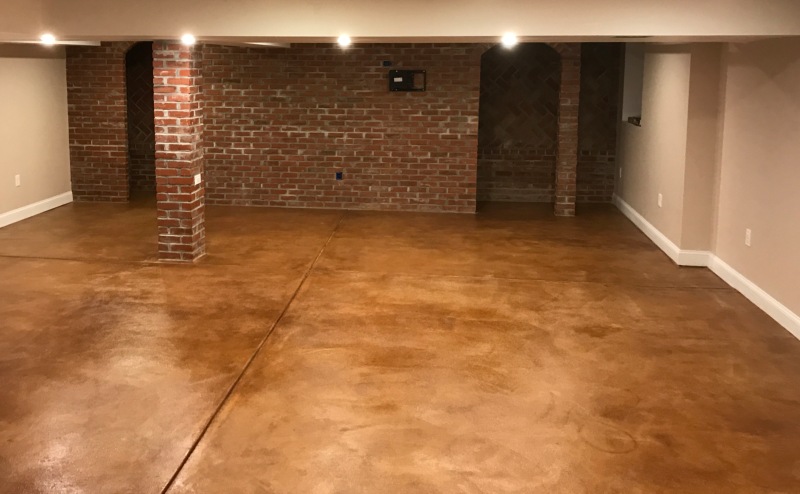
In contrast, water-based stains supply a larger range of shades and are less complicated to use. They do not react chemically with concrete but instead provide a surface color - stained concrete austin. Water-based discolorations are low in unstable natural substances (VOCs), making them more eco-friendly and ideal for indoor jobs. While they may not offer the same deepness of shade as acid stains, their adaptability and simplicity of use make them appealing for numerous applications. Eventually, the selection depends on the job's needs, desired aesthetic appeals, and location
Techniques for Staining Concrete
The strategies for discoloring concrete vary significantly in between acid and water-based methods. Acid staining entails a chain reaction that creates one-of-a-kind, variegated colors, while water-based discolorations use a wider scheme and much easier application. Recognizing these processes is essential for attaining the desired visual in concrete floor covering.
Acid Staining Refine
Acid staining uses a dynamic way to enhance the aesthetic appeal of concrete surfaces. This procedure involves applying a blend of water, hydrochloric acid, and pigments to the concrete, which reacts chemically to generate vibrant, clear colors. Initially, the concrete surface area should be completely cleaned and prepped to assure excellent attachment. Once used, the acid stain permeates the concrete, creating unique marbled results as it reacts with the lime in the concrete. After the desired color establishes, the surface is counteracted and rinsed to stop the response. Lastly, a sealant is put on protect the surface and improve toughness. Acid staining not just transforms the look of concrete yet likewise gives a lasting remedy for ornamental floor covering.
Water-Based Staining Advantages
How can water-based staining raise the aesthetic and practical qualities of concrete surfaces? Water-based spots use a versatile option for enhancing concrete, offering vivid color options while guaranteeing environmental security. Unlike acid stains, water-based options pass through the surface area, permitting also color distribution and a series of coatings, from matte to shiny. Furthermore, they are reduced in volatile natural substances (VOCs), making them much less unsafe to indoor air high quality. Their quick drying out time helps with much faster task conclusion, while their resistance to fading ensures resilient beauty. Water-based stains can also enhance the concrete's toughness and resistance to stains, making them a suitable selection for both household and commercial applications. Inevitably, they supply a lasting, eye-catching solution for numerous concrete surfaces.
Style Possibilities With Stained Concrete
Stained concrete offers a series of design opportunities that can enhance any kind of area. Methods such as color variation, various surface completing alternatives, and personalized layout patterns enable one-of-a-kind and customized floor covering remedies. These components not just raise aesthetic appeals however also contribute to the total capability of the concrete surface area.
Shade Variation Techniques
While exploring the design opportunities of tarnished concrete, color variation strategies play a crucial duty in improving both aesthetic charm and capability. These methods enable the production of special patterns and effects that can transform a straightforward concrete surface area into an aesthetically striking element of a space. Alternatives such as acid staining, which reacts chemically with the concrete, generate rich, translucent tones that simulate natural stone. Water-based discolorations use a wider shade combination and enable for more control in design. Additionally, layering different spots can develop depth and measurement, providing a tailored look. By integrating shade variant techniques, developers can achieve varied designs, from rustic to modern, making certain that stained concrete fits effortlessly right into any layout scheme.
Surface Area Finishing Options
The expedition of color variation strategies sets the stage for taking into consideration surface area completing alternatives, which greatly affect the general appearance and functionality of stained concrete. Different coatings can improve the visual appeal and longevity of the surface. Common choices include matte, satin, and blog shiny finishes, each providing a distinct visual impact. Matte coatings offer a refined, understated beauty, while satin surfaces strike an equilibrium in between shine and functionality, making them prominent for household and business rooms. Glossy surfaces, on the other hand, produce a high-shine look, boosting color vibrancy and light reflection. Additionally, surface treatments such as polishing or sealing even more improve durability, making these completing choices essential considerations in designing useful and visually appealing stained concrete floors.
Personalized Design Patterns
Exactly how can customized design patterns elevate the allure of tarnished concrete? By including unique styles, stained concrete can transform normal flooring right into a striking visual statement. Customized patterns, such as geometric shapes, intricate concepts, or natural layouts, enable personalization, making spaces really feel customized and welcoming. Clients can pick from a selection of methods, including saw cuts, stencils, or overlays, to attain preferred effects. Additionally, combining numerous colors with various stain strategies improves the depth and measurement of the patterns. These style possibilities not just improve aesthetic allure however also raise the worth of property or commercial rooms. Ultimately, customized design patterns give a chance for creative thinking, establishing tarnished concrete apart from typical flooring choices.
Preparing Your Concrete Surface Area
Correct preparation of the concrete surface area is important for achieving an effective discolored coating. This process begins with extensive cleaning to eliminate dust, grease, and any type of various other impurities. A pressure washing machine or a flooring scrubber can successfully eliminate these compounds, ensuring a fresh start for staining. After cleaning, it is essential to repair any type of cracks or blemishes in the concrete. This can be achieved utilizing a concrete patching substance, which should be enabled to cure completely prior to continuing.
As soon as the surface is tidy and fixed, grinding or fining sand might be required to create a smooth, even structure. This action boosts the concrete's capability to soak up the stain uniformly. Finally, a concrete etcher can be related to open the pores of the surface, enabling much better attachment of the stain (stained concrete austin). By complying with these prep work steps, the resulting stained concrete will exhibit a more lively and long lasting surface
Upkeep and Look After Stained Concrete
Preserving stained concrete is crucial for maintaining its look and long life after the first preparation and application of stain. Regular cleansing is very important; sweeping or vacuuming to get rid of dirt and debris avoids scratches and dullness. For much deeper cleansing, a light pH-neutral cleaning agent combined with water can be utilized, complied with by detailed washing to stay clear of residue accumulation.
Securing discolored concrete is another crucial upkeep action, as it protects the surface discover this area from spots and moisture. Depending on the sealant kind, reapplication might be essential each to three years. Additionally, staying clear of severe chemicals and rough tools aids preserve the integrity of the stain.
For outdoor stained concrete, it is recommended to clear snow or ice promptly to stop damages from freeze-thaw cycles. Generally, constant care assurances that stained concrete preserves its vibrant shade and structural security in time, making it a lasting flooring selection.
Expense Factors To Consider for Stained Concrete Floor Covering
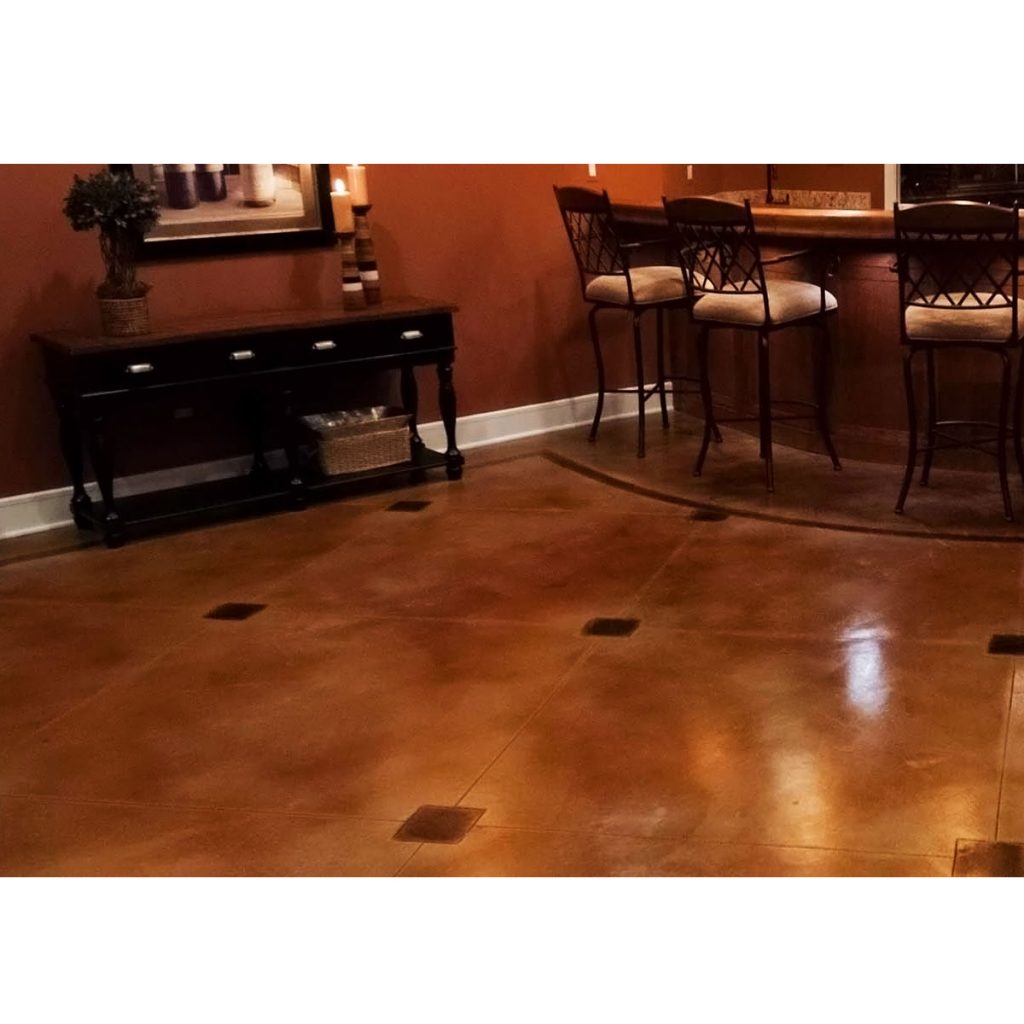
When examining the expense of discolored concrete flooring, potential homeowners typically question the various factors that influence rates. Key factors to consider consist of the dimension of the area to be covered, the intricacy of the layout, and the sort of stain utilized. Fundamental staining techniques often tend to be extra budget-friendly, while elaborate patterns or multiple shades can significantly enhance costs.
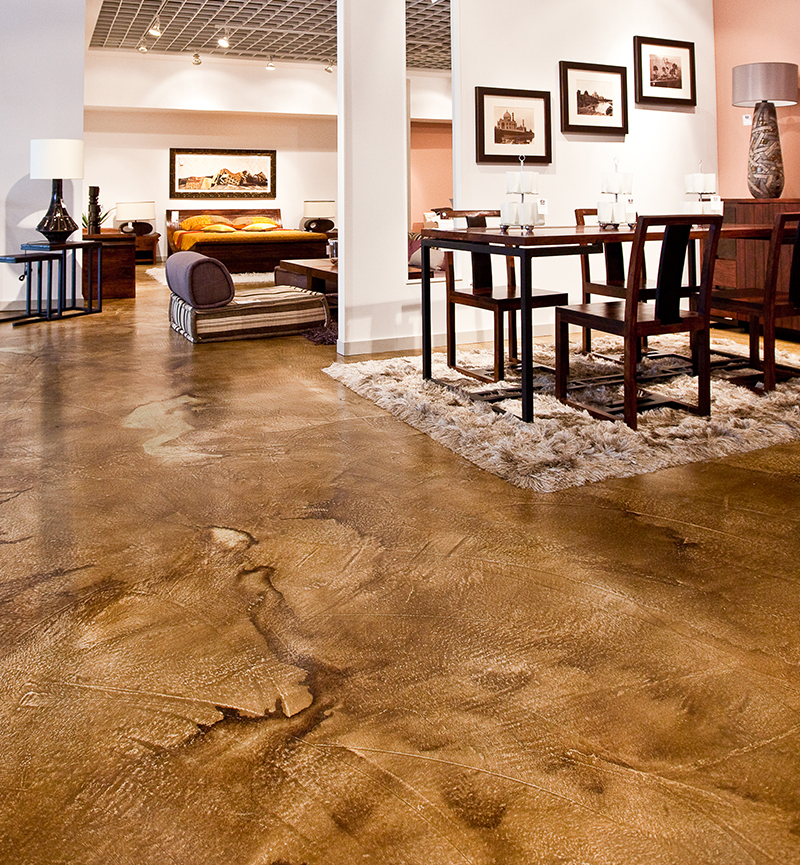
Geographical place is an additional element, as costs can differ commonly from one area to one more. Continuous upkeep prices need to be factored in, as sealers and safety coatings may be required over time to preserve the aesthetic and durability of the stained concrete.
Frequently Asked Questions
Can Stained Concrete Be Applied Over Existing Flooring?
The inquiry of whether tarnished concrete can be applied over existing floor covering is commonly asked. Usually, it is possible, offered the underlying surface is tidy, stable, and appropriate for proper adhesion of the tarnished concrete.
The length of time Does the Staining Process Take?
The staining procedure typically takes a couple of hours to a full day, relying on the size of the location and the complexity of the design. Curing might require extra time prior to the surface is totally usable.
Is Stained Concrete Suitable for Outdoor Usage?
Stained concrete is certainly suitable for outside usage, as it withstands different climate condition. Its durability and aesthetic charm make it a preferred choice for patio areas, walkways, and driveways, improving both performance and aesthetic interest.
Can I Modification the Color of Stained Concrete Later On?
The capacity to change the shade of tarnished concrete later on relies on various elements, consisting of the initial stain kind and surface area preparation. Consulting a professional can give guidance on potential choices and results for color modification.
Exist Eco-Friendly Options for Stained Concrete?
The questions concerning environmentally friendly choices for discolored concrete discloses a growing passion in lasting structure techniques. Many business now provide low-VOC stains and environmentally friendly sealants, making sure visual charm while lessening ecological influence.
Comments on “The frequently asked FAQs about stained concrete”